As our children grow older, the topic of chores becomes increasingly relevant. Questions arise about what chores to assign, whether to use chore charts, give allowances, and at what age to start. However, as someone who values a clean home, I have discovered that my approach to chores is relatively relaxed.
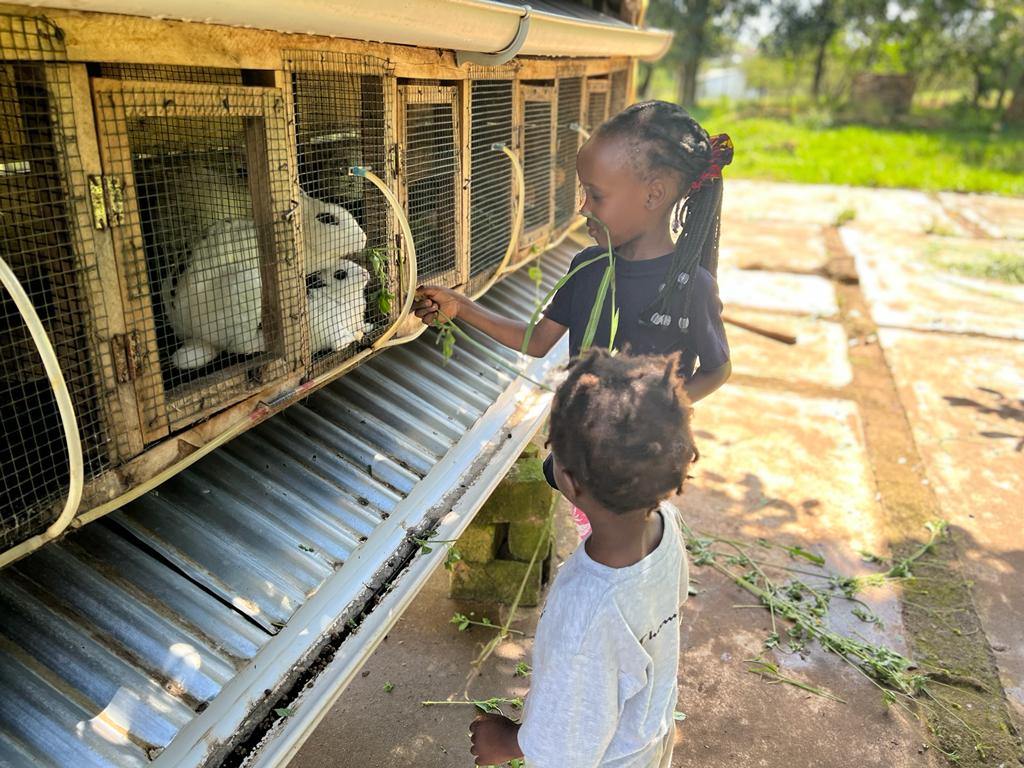
We currently don’t utilize a chore chart, assign specific tasks based on age, spend our weekends cleaning, or provide payment for helping around the house during school holidays. Instead, we focus on instilling important values and life skills in our children. Although they receive a small monthly allowance, it is not tied to chores but rather serves as an opportunity for them to learn about money management.
For me, the key is not the number of chores completed each week, but rather the willingness of my children to contribute their time and energy to create a welcoming home environment. It is important to cultivate their appreciation for the effort required to maintain a clean and organized space.

Rather than getting overwhelmed with chore-related stressors like implementing chore systems or rewards, I encourage parents to reflect on their main parenting goals. Is it more important for your child to immediately make their bed or to know how to do it and respect your requests? Do you prioritize your child packing their own lunch at a certain age, or do you want them to understand the effort and cost involved? The heart attitude behind the chore often matters more than the chore itself.
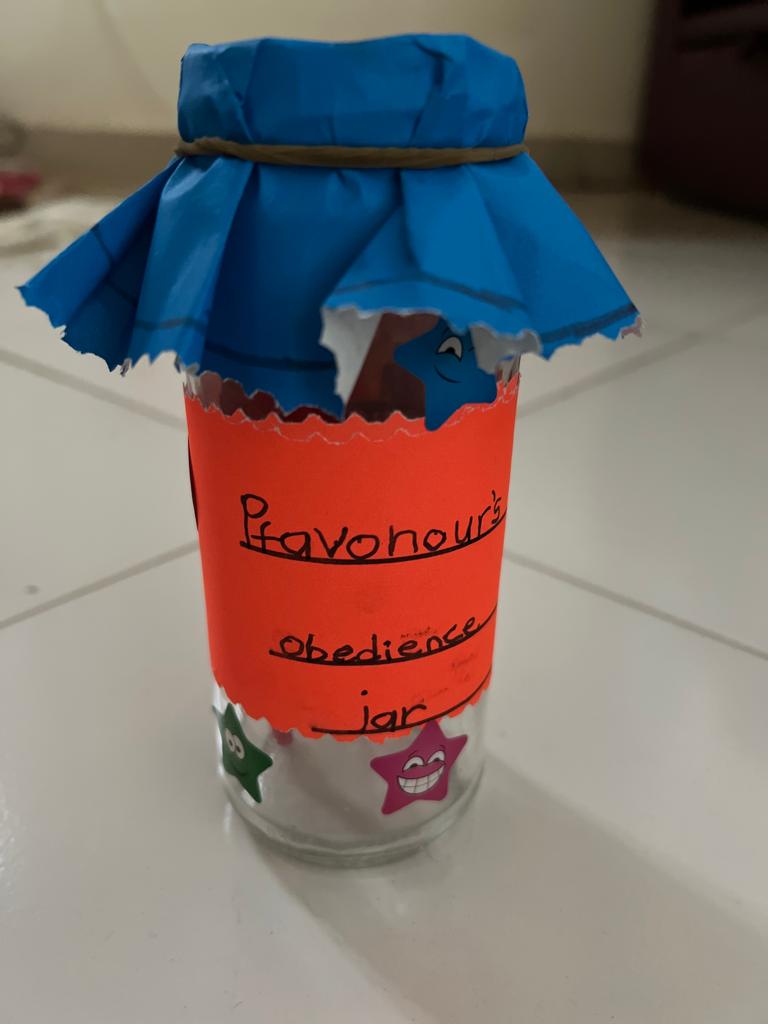
To encourage cooperation and responsibility, three strategies have made a significant difference in our family over the years.
First, modeling desired behaviors consistently is crucial. Children need to witness their parents engaging in cleaning and organizing tasks and receive training on how to perform them.
Second, using positive language around housework can shape their perception of it as beneficial rather than burdensome.
Lastly, setting clear expectations and consistently holding children accountable for their contribution fosters a sense of unity and shared responsibility within the family.
In our household, our children have gradually developed habits and take on various tasks without much complaint. Through repetition, these daily responsibilities have become second nature to them. While they may occasionally prioritize playtime over chores, they understand the importance of fulfilling their responsibilities first. It’s comparable to wearing a seatbelt in the car; it’s expected, non-negotiable, and for their safety.
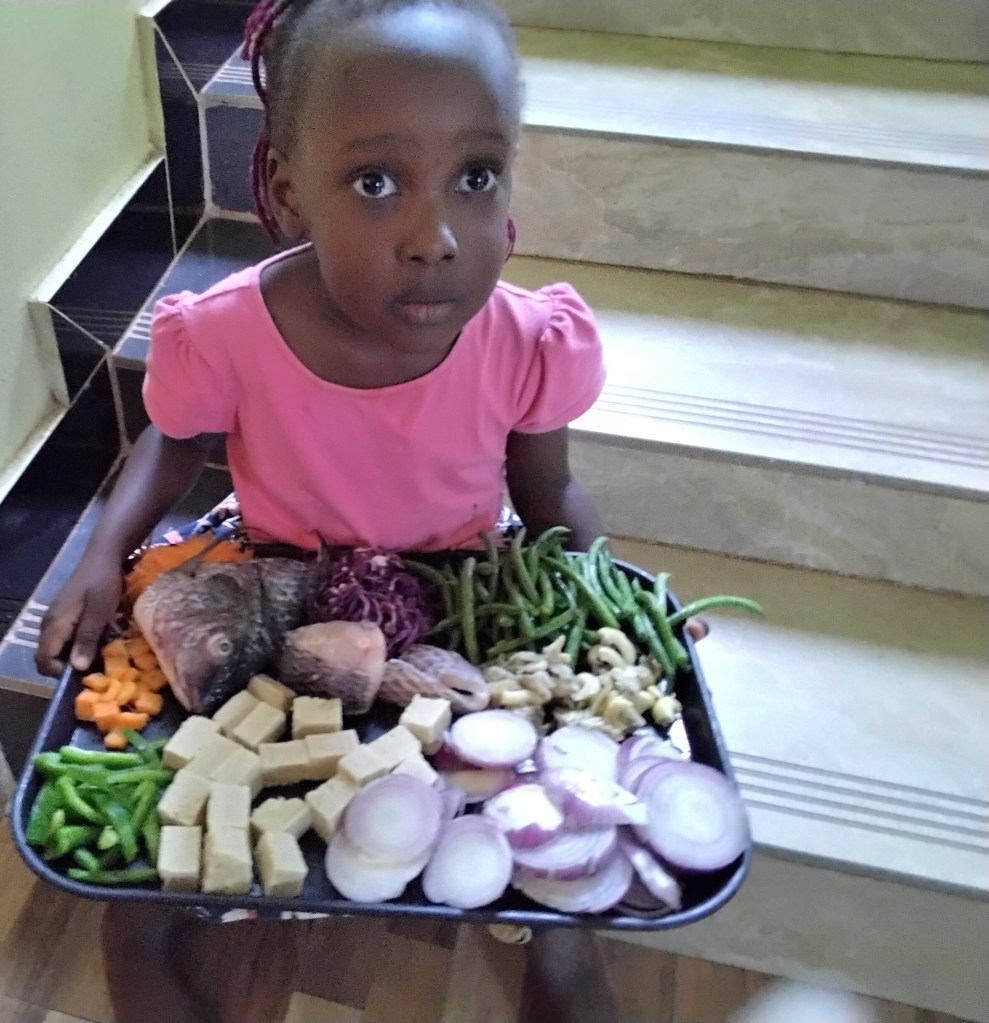
By focusing on the hearts of our children and involving them in creating a clean and enjoyable home environment, we instill a sense of ownership and pride. This not only motivates them to help out now but also shapes their attitude towards housework as they enter adulthood. Rather than fixating on specific chore benchmarks, let’s encourage our children to work together as a family to cultivate a clean and fun space for quality time with loved ones
What are your thoughts regards kids and chores?

