Do you have any “picky eaters” around your home? Do you ever worry about how to “fix” the picky eaters in your home? Well, If you’re stressed about picky eaters, you’re in the right place!
I should however clarify that am not about to share any must-dos or a stepwise plan for getting your children to willingly eat massive amounts of food. I won’t even tell you to force your child to eat “just one bite”…lol
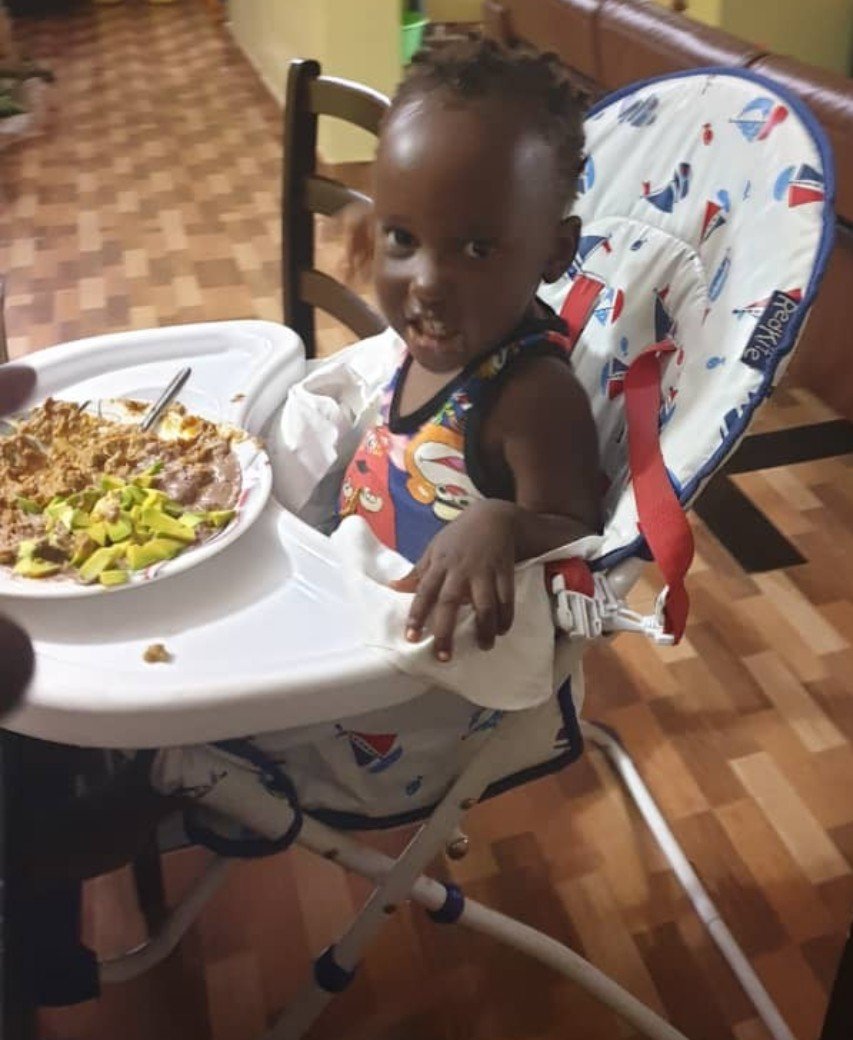
Anyway, I’ve wanted to write this post for years now, but I felt I didn’t have enough parenting experience, besides my medical background.
However, after dealing with my daughter’s food aversions, I’ve learned significantly more than I ever wanted to know about feeding young children. I hope that after reading this post, you are inspired to sigh in relief and enjoy mealtimes with your amazing kids.
First, you may wont to consider some of these facts about taste buds and food aversions.
Babies are born with roughly 10,000 taste buds. Over time, the number of taste buds diminishes. Some sources I’ve read suggest our taste buds change constantly, others speculate they decrease every 5-7 years, still, others say the taste buds change during puberty or even later in life.
Whatever the case, most “experts” seem to agree on the fact that our taste buds do change over time; which is one reason why we might not like certain foods as children but then eventually learn to like them. Keep this in mind when trying to get your child to eat something new — if it’s spicy for you, it will taste even spicier for them. If it’s sour for you, it will taste sourer to them. etc. etc.
Food Aversions/ allergies:
if children are allergic (or have an aversion) to a certain food, they won’t feel good after eating it — which could be one reason for their defiant behavior at the table. Consider ruling this out before forcing the same food on your child daily.
The tips:
1. Focus on what they WILL eat instead of what they won’t.
In my experience, nothing causes a child to “shut down” faster than an adult trying to FORCE them to do something they don’t want to do!
And in case you didn’t already know this… you can’t literally force a child to put a piece of food in their mouth, chew it, and swallow it. They must voluntarily do it in order for the food to make it down their throat!
If you are in the thick of food battles with your children, my first pieces of advice are simply to take a step back, stop forcing foods they don’t care for, and stop focusing your attention on what they WON’T eat.
Instead, serve (or pack) the foods they DO like on regular rotation. It might not be a balanced diet in any way, but I wouldn’t get too uptight as this is just a temporary situation.
Your main concern, at least in the beginning, should be getting them excited to eat ANYTHING they are willing to eat.

2. Focus on quality time together at the table instead of the food.
As I mentioned above, the main concern at the beginning of this journey is simply to get the kids happy and excited to come to the table and enjoy quality family time.
If you aren’t already sitting down to eat a meal together at the table I’d highly encourage you to make this routine a part of your day. It’s much more enjoyable to eat in a group than by yourself… and when everyone is participating in the conversation, the focus naturally moves away from the food… which can be a good distraction for picky eaters.
If your kiddos are the type who simply don’t eat, claiming they aren’t hungry, I’d be OK with letting them sit there and participate in conversation even if they “aren’t hungry.” Just make it very clear that they will not have another opportunity to eat for the remainder of the evenings (and then stick to this rule). One night of being slightly hungry won’t do too much damage.
3. Focus on what YOU eat.
your children will NOT eat fruits and veggies or try new foods unless they see you doing the same thing. Make sure your kids see you trying foods you don’t necessarily care for. Let them see you eating healthy food choices without making a big deal about it.practice what you preach!lol
Focus on SLOW positive changes.
I also realized that if your family has a history of food battles, it’s probably better to focus on very slow positive changes instead of forcing them to eat one bite of everything on their plate. My main concern is that the children continue to enjoy their eating experience and look forward to mealtimes. Eventually, you will start to see some progress — maybe next week or maybe not until next year (be patient, you can do this!)
4. Focus on “total health” instead of just their diet.
It’s so easy to get hung up on what our kids are eating (or not eating) — partially because it’s such a “hot topic” in today’s culture, but also because they seem to eat 973 times every day! Believe me, I get it! However, I’d encourage you to consider your children’s physical, mental, emotional, spiritual, and intellectual health and well-being in addition to what they are eating.
If your kids are happy, joyful, playing often, enjoy school, love to learn and develop intellectually and sleep well at night, give yourself a nice pat on the back because you and your picky eaters are doing just fine.
Just keep encouraging them, modeling good behavior, and providing many opportunities for them to see, touch, experience, and try (if they’re willing) a variety of foods.
 Are meal times a struggle at yours or the Lord is your shepherd?

